Enroll in a 40-Hour Medical Interpreter Course  Click Here 

Telehealth: The Importance of Medical Interpreters in Telemedicine

Jul 1, 2020

Introduction

In response to the COVID-19 crisis, hospitals have prepared for a patient surge. Fortunately, hospitals have an additional way to treat and care for patients in the form of telemedicine. Patients can now can access their doctors through their phone or a computer. Patients won’t have to travel to an appointments, lose time from work, and it may reduce patient no-shows for doctors.

Are you interested in language services for your company? Contact Liberty Language Services today.

What is Telemedicine?

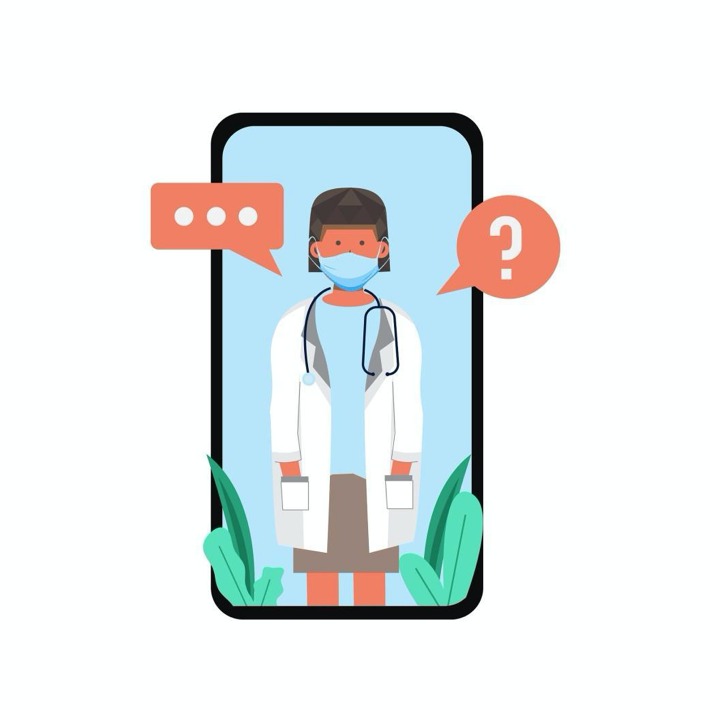
Telemedicine is a practice that allows healthcare professionals to evaluate, diagnose, and treat their patients through telecommunications technology. Most often, this service is offered through videoconferencing, and most recently during the pandemic via platforms such as Zoom, and Skype, as well as telemedicine platforms.

Related: Liberty Language Services Video Interpretation Service

What are the Advantages of Medical Interpreters?

As a significant development for the medical industry, telemedicine has become an essential tool for doctors and other healthcare professionals, as it reduces or eliminates the need for an in-person exam and improves scheduling. Patients can speak with their healthcare provider through a telecommunications platform, eliminating the need for traveling to the appointment and securing medical care for those most in need. Other advantages include possible lower rates than in-person interpreter services, no specialized hardware needed for services, and ease of access from any wifi-capable device.

What are the Challenges of Telemedicine?

While there are multiple challenges for telemedicine one of the biggest is the low availability of language services as part of a telemedicine call or visit. While English is the most common language in the United States, the U.S. is a diverse and welcoming nation with no official language on the books. As a result of steady immigration, not everyone residing in the United States speaks English fluently. As of 2019, only 30% of American hospitals lack language services for their patients. Studies have proven that language services dramatically reduce patient readmission, improve the overall quality of care, and foster trust among patients. One of the biggest challenges faced by medical personnel is the need for language specialists that can translate written forms in a foreign language and interpret spoken language. Fortunately, numerous companies provide these services in a wide range of languages.

Source: Liberty Language Service Blog

How Liberty Language Services is Helping Our Nation’s Hospitals

Liberty Language Services offers a wide variety of interpretation and translations services to multiple industries, including healthcare. Our specialists are providing highly skilled work to medical professionals around the nation. Here are some of the services we provide:

Translation

As a corporate member of the American Translators Association (ATA), our team offers written translation in over 250 languages and dialects, including Mandarin Chinese, Arabic, and Russian. Dedicated to expertise and quality, we also have a sizable database of proofreaders and desktop publishing specialists to meet your needs. But we’re more than language experts; our specialists are experienced in cultural, social, and technical norms to ensure the highest quality translations.

Interpretation

Our medical interpretation solutions include remote interpretation including telephone and video, on-site interpretation, and translation of medical documents. Because we care about the people we serve, our services are optimized so that patients understand vital medical information but also to feel comfortable with medical professionals and trust the care they provide.

Training

Liberty Language Services is more than a translation and interpretation service; we also offer training programs to individual students and corporate clients who want to train their interpreters.

Bridging the Gap is a foundational training course for medical interpreters aimed at training bilingual individuals to perform as medical interpreters in the healthcare industry. The course covers medical interpretation, ethics and standards of practice, U.S. healthcare, medical terminology, and cultural competency. This course program runs for five days for a total of 40 hours, and upon completion, a numbered certificate of completion is awarded from The Cross-Cultural Healthcare Program (CCHCP) in Seattle, WA. This course meets the mandatory 40-hour training requisite for national certification.

Online Interpreter Training is an online course featuring the latest material from Cross Cultural Communications. This asynchronous course uses both recorded webinars to cover topics such as interpreting methods, ethics and standards, specialized skills for healthcare, education and social services, and live medical webinars. The course can be completed at the student’s pace within four weeks. This course meets the mandatory 40-hour training requisite for national certification.

Workshops are available for interpreter professional development to acquire and hone existing and new skills. We offer several courses touching on subjects such as interpreting in public school settings, avoiding common mistakes in medical interpreting, and bloodborne pathogen training for medical interpreters.

Related: Training with Liberty Language Services

The Future of Telemedicine

In the last few years, telemedicine has proven a successful evolution within the healthcare system. In 2016, estimates showed that as many as 50 percent of hospitals utilized telemedicine, a 60% increase from 2012. By 2017, an estimated 76 percent of hospitals adopting the service. As well, the service has helped lower medical costs for medical practitioners and patients.

The rise of the COVID-19 crisis has undoubtedly improved the overall value of telemedicine services, but there are still some growing pains to overcome. As of this writing, telemedicine is still hampered by low reimbursement rates and issues with interstate licensing and practice. However, the problems will likely be overcome as telemedicine is better utilized, such as reducing the exposure and transmission of infectious diseases, increasing access to healthcare, and other cost and life-saving measures.
Final Thoughts

Telemedicine is a fantastic evolution in medical services and greatly beneficial to our communities and the healthcare industry. By being able to meet with your doctor over the video rather than traveling to the hospital or medical center, medical resources are saved. It also saves time and avoids the need for traveling to visit the doctor’s office while sick or in pain.

Of course, the system isn’t perfect yet. The need for language professionals to interpret and translate foreign languages is high, and hospitals struggle to meet the demand. Fortunately, Liberty Language Services, and other like-minded companies, are offering professional services and solutions for the betterment of our communities and the healthcare system, especially in these trying times. There is no doubt that the healthcare industry will close the gap and make telemedicine more accessible to all who need quality healthcare.

Ready to get started? Please request a quote for our services.